
Understanding the Driving Test in Australia: Preparation, Requirements, and Road Safety

Introduction
Getting a licence is one of the big moments of growing up in Australia. It means no more waiting at the bus stop in the rain or begging a parent for a lift to footy training. There’s more to it than steering and braking, though. A new driver has to know the road rules, read the signs at a glance, keep good habits and cope when conditions turn nasty. The testing process checks all of this, so that every fresh driver is ready to share the road with everyone else.
Understanding the Australian Driving Licence System
The country uses a graduated system, which lets beginners build their skills one stage at a time. Each state and territory sets its own details, so a learner in Perth won’t follow quite the same path as one in Hobart. Broadly, though, the journey runs from learner licence to provisional licence and, finally, to a full licence. Nobody gets the full set of keys on day one.
Before any of that, applicants usually need to reach a minimum age and pass a theory check. Only then do they earn their L plates. This first hurdle looks at what they know about road signs, traffic laws, a driver’s duties and the basics of staying safe. It matters more than many teenagers expect.
Where it’s in use, the Driver Knowledge Test forms a key step in this process. It shows whether an applicant has grasped the core rules and responsibilities before they ever sit behind the wheel with a supervisor beside them. The head gets tested before the hands and feet do.
Preparing for the Driver Knowledge Assessment
Good results rarely happen by accident. Candidates are expected to know their speed limits, who gives way to whom, what the lines and arrows painted on the road mean, where parking is allowed and what each sign is telling them. A learner who has only skimmed the handbook on the train the night before tends to come unstuck.
The rules stretch across a huge range of everyday situations. They cover busy intersections, zebra crossings, multi-lane roundabouts, school zones at 8.30 on a weekday morning and the right way to pass a cyclist. Understanding them properly lets a learner make sensible choices on the road. Parroting answers only goes so far.
Practice questions and the official handbook give applicants a feel for how the assessment works. Regular revision also shows up the weak spots, such as a muddle over give-way rules at T-intersections. Cramming everything in one sitting rarely helps. Breaking the material into bite-sized topics and working through them one evening at a time is far kinder on the brain.
The Importance of Supervised Driving Practice
Once the learner licence arrives, the real road time begins under supervision. Each state and territory sets its own logbook hours and the shortest time a learner must keep their L plates. Some learners need a fair bit longer than others, and that’s fine.
This stage is where book knowledge meets real traffic. With a parent or instructor in the passenger seat, learners get to grips with keeping a safe gap, glancing over a shoulder before moving across, switching lanes, holding a steady speed and reacting when a car door suddenly swings open. Every drive adds a little more confidence.
Variety matters just as much as the hours. A quiet cul-de-sac on a Sunday afternoon is the perfect place to master smooth starts and gentle braking. Busier arterial roads then bring trickier traffic and quicker decisions. Driving in heavy rain, at dusk or after dark builds awareness that sunny afternoons never will.
What Happens During the Practical Driving Test?
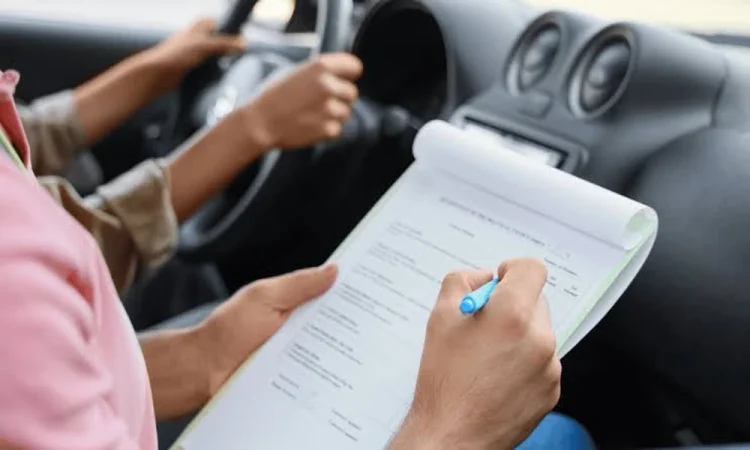
This is where a learner proves they can handle a car safely on their own. The exact format changes from one state to the next, but most tests look at the same core skills. Examiners watch vehicle control, observation, indicating, speed, position in the lane and the quality of each decision. Nerves are normal, and examiners know it.
Throughout the drive, the examiner keeps a close eye on the candidate’s choices. They note how the learner approaches an intersection, reacts to signs, takes corners, moves between lanes and deals with other road users, from delivery vans to joggers with dogs. They also check that safe gaps are kept and that attention never drifts.
Steady, safe driving usually counts for more than a flawless three-point turn. A candidate who checks the mirrors often, sticks to the rules, signals clearly and stays calm when a bus pulls out shows the awareness examiners want to see. Perfection isn’t the goal. Good judgement is.
Common Mistakes That Candidates Should Avoid
Plenty of errors come down to nerves or a simple slip. A learner with sweaty palms might forget a head check, creep over the limit, leave the indicator off or roll into an intersection the wrong way. Any one of these can cost marks. It happens to the best of them.
Poor observation catches out a lot of candidates. Drivers need to stay alert to pedestrians, cyclists, motorcyclists and cars coming from every angle, including the scooter tucked in a blind spot. A regular scanning routine, practised until it’s second nature, goes a long way towards cutting these mistakes.
Rushing is another trap. Pulling out of a side street in a hurry to impress the examiner usually has the opposite effect. Pausing to read the traffic and choosing the safe moment shows far better judgement. A few extra seconds never failed anyone.
Building Safe Driving Habits Beyond the Test
The pass slip isn’t the finish line. New drivers keep learning long after the P plates go on. They need to watch for changing road conditions, keep the car in good shape, from tyre pressure to worn wipers, and remember their duty to everyone else on the road. Experience takes years, not weeks.
Some habits are non-negotiable. Phones stay out of reach, seatbelts click on for every trip, speed limits are respected and alcohol or drugs never mix with driving, not even after one drink at a mate’s barbecue. Revisiting the road rules from time to time also keeps drivers on the right side of the law.
Conclusion
The driving test exists to make sure new drivers have the knowledge, hands-on skill and safety sense that sharing the road demands. With steady study, plenty of supervised hours and a clear grasp of local licensing rules, learners can walk into their assessments feeling far more confident. Good habits formed early make the roads safer for everyone, and they tend to last a lifetime. The licence is only the beginning.