
Now the engine serves as the heart of your vehicle. This complex machine requires constant lubrication for smooth operation. A small sensor monitors the oil flow inside the engine block. This part is called the oil pressure sensor. It tracks the force of the oil circulating through metal components. This device sends vital data to the internal computer system. You need this information to prevent catastrophic engine failure. Proper monitoring ensures the longevity of your automotive investment. Expert technicians at Overbeck Auto Services understand the importance of this small component.
How the Sensor Works Within the System
The sensor detects mechanical pressure using a small internal diaphragm. Oil enters the sensor housing through a tiny threaded port. Sometimes the pressure pushes against a spring or a resistor. This action creates a specific electrical signal for the car computer. The computer translates this signal into a gauge reading. Now the driver sees the oil status on the dashboard. But the system also watches for sudden drops in pressure. A rapid change might indicate a leak or pump failure. The specialists at Overbeck Auto Services check these signals during routine maintenance visits.
Communication Between Components and the Dashboard
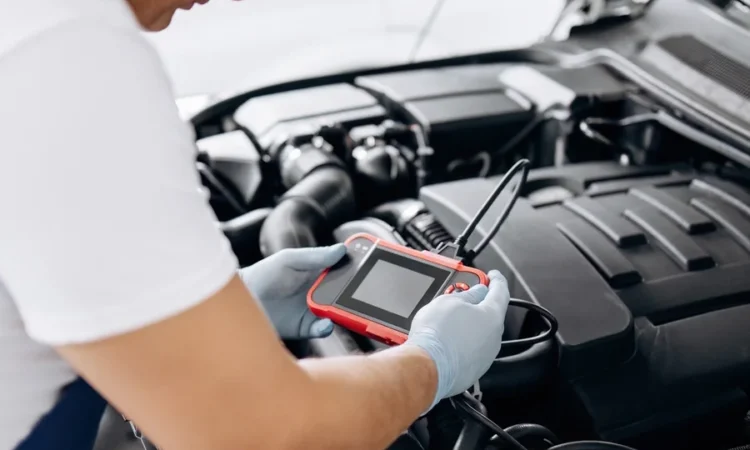
The communication process happens in a fraction of a second. The sensor connects directly to the engine control module. This module processes thousands of data points every single minute. The computer decides if the pressure stays within safe limits. If levels drop low, the warning light illuminates immediately. You must pull over when this red light appears. Ignoring the warning can lead to permanent metal damage. However, sometimes the sensor itself develops an electrical fault. Modern vehicles use these sensors to adjust engine timing protocols. Reliable diagnostic tools help Overbeck Auto Services identify the exact cause of errors.
Preventing Engine Damage Through Constant Monitoring
Friction creates intense heat inside the moving engine parts. Oil reduces this heat by creating a thin protective layer. But the oil must move under high enough pressure. The sensor ensures that every bearing receives enough fluid. Now the car can cruise at high speeds safely. You avoid expensive repairs by watching the oil gauge closely. Low pressure causes metal parts to grind against each other. This grinding leads to the total seizure of the engine. Seeking a professional Auto Repair in Springdale, OH helps maintain these critical sensors.
Identifying Common Signs of Sensor Failure
Sometimes the oil light flickers without a real problem. A faulty sensor might provide inaccurate or erratic readings. You might notice the gauge jumping up and down randomly. But you should never assume the sensor is just lying. Strange ticking noises from the engine suggest actual low pressure. Burning smells also indicate potential oil leaks near the sensor. Now is the time to visit a professional mechanic. Diagnostic tests confirm if the sensor requires a total replacement. Proper testing prevents you from replacing parts that still work.