
The singapore scrap car process begins the moment a driver does the numbers and finds that renewal no longer makes sense. In Singapore, a car’s economic life is tightly bounded by its Certificate of Entitlement. When a COE approaches expiry, the owner faces a choice: renew for another five or ten years at the prevailing quota premium, sell the vehicle on the open market, or deregister it entirely. For a car whose open market value has fallen below the cost of renewal, scrapping is often the financially rational path, and understanding what that path involves makes the decision a good deal easier.
How Singapore’s Vehicle Scrapping System Works
Singapore’s vehicle deregistration system is built around two linked values. The first is the PARF rebate, which stands for Preferential Additional Registration Fee. This rebate is calculated as a percentage of the Additional Registration Fee paid at registration and decreases as the car ages. A car scrapped before five years old qualifies for 75 per cent of its ARF. After ten years of age, the PARF rebate is no longer available, which changes the financial calculation for older vehicles significantly.
The second value is the COE rebate, which represents the unused portion of the Certificate of Entitlement. If a car’s COE has three years remaining and is scrapped, the owner receives a pro-rated rebate for those unused years. Together, the PARF and COE rebates form the PARF value of the vehicle, which is the floor of what a car owner should expect to receive when scrapping. Any legitimate scrap car service will offer at or above this floor.
What a Scrap Car Service Actually Does
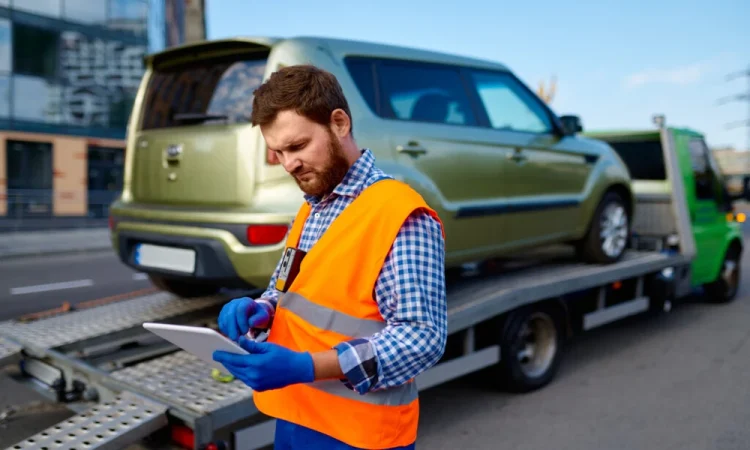
When you engage a car scrapping service in Singapore, the operator handles the administrative and logistical steps of deregistration on your behalf. This includes liaising with the Land Transport Authority, submitting the deregistration application, arranging towing or delivery to a licensed scrapping facility, and ensuring the vehicle is processed in compliance with Singapore’s environmental and waste management regulations. The vehicle owner signs the necessary transfer documents and receives the agreed payment.
Licensed scrap car operators work with authorised scrapyards approved by the National Environment Agency. These facilities dismantle vehicles in a controlled manner, recovering reusable components, draining fluids, and processing the remaining material through established recycling channels. The regulated nature of the process ensures that hazardous materials, including engine oil, battery acid, and refrigerants, are disposed of properly rather than entering waste streams that affect public health or the environment.
Timing Your Scrap for the Best Return
The financial return from scrapping depends heavily on when in the car’s life the decision is made. A car approaching its ten-year mark still qualifies for a PARF rebate, but that rebate shrinks with each passing year. A car with significant COE life remaining receives a larger COE rebate. Running the numbers before the COE expires, rather than waiting until the final months, often produces a better outcome than making the decision under time pressure.
Getting multiple quotes from singapore scrap car operators before committing gives the owner a clear picture of the market and identifies whether a particular offer reflects the full PARF value or falls below it. Reputable operators will show the calculation, not just the final figure, so the owner understands what they are receiving and why. An offer that cannot be explained is worth questioning.
What to Look for in a Scrap Car Operator
A licensed operator will be registered with the Land Transport Authority and able to provide documentation confirming that status. The absence of a clear physical address, a reluctance to provide written quotations, or pressure to sign without time to compare offers are signs that warrant caution. Scrapping a car is a regulated transaction, and the operator handling it should be able to demonstrate that they work within that regulation at every step.
“In Singapore, we have to depend on the quality of our people and the strength of our institutions,” said Lee Kuan Yew, on the standards Singapore holds its regulated industries to. The vehicle scrapping sector operates within those same institutional standards: licensed operators, regulated facilities, and a deregistration process administered through a government authority that protects the owner’s interests throughout.
Preparing Your Car for Scrapping
Before handing a vehicle over to a singapore scrap car operator, owners should remove personal belongings, cancel road tax and insurance, and gather documents including the vehicle log card and identity documents required for the deregistration process. The operator will typically advise on exactly what is needed, but having these ready before the appointment reduces delays and keeps the process moving.
It is also worth confirming whether the car carries any outstanding hire purchase liability. A vehicle under a finance agreement cannot be deregistered without the finance company’s involvement. The scrap car operator can advise on the procedure, but clarifying the loan situation before proceeding avoids complications that can delay both the paperwork and the payment.
Singapore’s vehicle scrapping framework is more structured and financially transparent than most owners expect before going through it. The combination of PARF rebates, COE rebates, and a regulated deregistration process means the financial return is predictable and the administrative burden is manageable, particularly when an experienced operator is handling the paperwork. For any vehicle owner whose car has reached the end of its practical life, a singapore scrap car service provides a straightforward path to disposal and a fair return on whatever value remains.