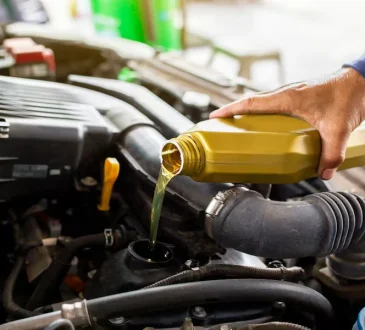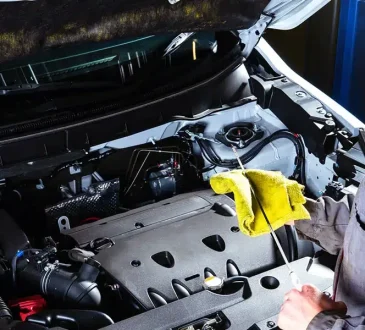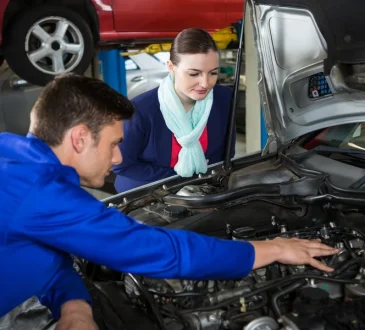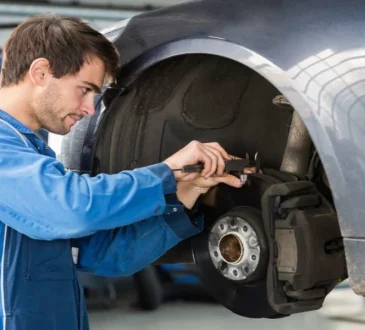

The cooling system maintains optimal engine temperature during daily operation for every vehicle. You might notice thick brown deposits forming inside the radiator core over time. These deposits represent radiator sludge which restricts essential coolant flow through the entire system. Ignoring this buildup leads to severe overheating issues and permanent internal engine component damage. Experts at Master Car Care and Collision recommend regular inspections to prevent this dangerous accumulation from starting early. You should address these cooling problems immediately to ensure long vehicle engine lifespan.
Chemical Breakdown of Cooling Fluids
Coolant contains chemical inhibitors designed to prevent rust and corrosion inside metal passages. These specialized additives eventually lose their effectiveness after prolonged heat exposure and constant usage. The mixture breaks down into acidic compounds that react with aging aluminum or iron. Professional technicians at Auto Repair in Houston, TX service identify these chemical failures during standard seasonal maintenance. Frequent fluid exchanges maintain the necessary chemical balance to stop this harmful process entirely.
External Contamination and Debris Infiltration
Foreign contaminants often enter the cooling loop through failing seals or worn gaskets. Oil leaks frequently migrate into the coolant passages creating a milky emulsion known as sludge. This thick substance clings to internal surfaces reducing the heat transfer efficiency significantly today. The contamination process accelerates when drivers ignore minor leaks near the water pump housing. Master Car Care and Collision performs pressure tests to locate these hidden entry points before major damage occurs.
Effects of Improper Fluid Mixing
Mixing different coolant types causes immediate chemical incompatibility within the sealed cooling loop. Standard green coolant often reacts poorly when combined with advanced organic acid technology formulas. The resulting chemical reaction produces gelatinous clumps that clog small radiator passages very quickly. You might observe mysterious temperature spikes on the dashboard gauge after recent fluid top-offs. The team at Master Car Care and Collision suggests using only manufacturer approved coolants for your specific vehicle model.
FAQs
Does flushing the heater core separately resolve persistent cabin temperature issues after sludge removal?
Yes, independent heater core flushing prevents remaining sediment from clogging the secondary circulation loop again.
Can using distilled water prevent sludge formation compared to standard tap water during emergency top-offs?
Using distilled water eliminates mineral deposits from tap water that trigger rapid internal sediment buildup.
Does installing an aftermarket inline coolant filter effectively trap microscopic particles before sludge accumulates?
Yes, inline filters capture suspended solids circulating within the system protecting delicate radiator fin channels.
Should I perform a chemical flush if the current coolant appears clear but smells burnt?
Yes, burnt odors indicate additive depletion and impending breakdown requiring an immediate professional system flush.
Does rapid climate change affect the lifespan of corrosion inhibitors within high-performance engine coolants?
Extreme temperature cycling accelerates chemical additive degradation requiring shorter intervals between mandatory cooling system services.