Step-by-step guidance for choosing and outfitting an armored SUV for Afghanistan’s landscape

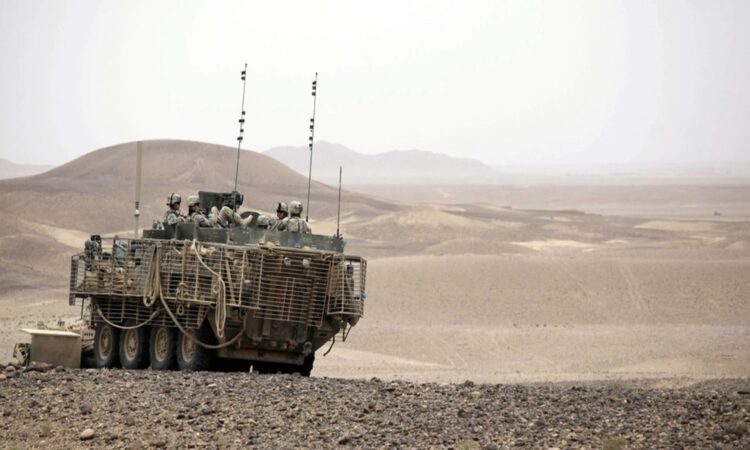
Surviving a trip across Afghanistan requires more than nerves of steel. In a country where mountainous routes meet volatile security situations, the right armored SUV is not just a luxury; it is a lifeline. Many myths cloud the process of selecting and preparing these vehicles for Afghanistan’s unique challenges. The following guide breaks down these misconceptions and gives actionable steps for choosing and equipping the ultimate armored SUV.
Why Armored SUVs Are Essential for Afghanistan’s Security Landscape
Afghanistan is not a place for compromise when it comes to personal and operational security. The daily reality involves unpredictable threats, from roadside IEDs to coordinated small arms attacks. SUVs equipped with higher ground clearance and robust four-wheel-drive capabilities have become the transport of choice for diplomats, NGOs, and contractors because they are versatile enough to navigate both city streets and rugged backcountry roads.
The Unique Threat Environment in Afghanistan
Threats do not stop at the city limits. Kabul, Jalalabad, Herat, and rural paths all present risks from insurgent attacks to unexploded ordnance. Standard vehicles offer little to no protection, leaving occupants exposed. Armored SUVs, purpose-built for this environment, change the odds.
Key Security Challenges: IEDs, Small Arms, and Terrain
IEDs remain the number one cause of casualties in conflict zones. Add to this the dangers of ambushes, sniper fire, and the sheer physical challenge of Afghanistan’s rough terrain, and it is clear why only specially outfitted vehicles can provide real protection.
Myth 1: All Armored SUVs Offer Equal Protection
Not all armor is created equal. Protection levels are graded, most notably between B4 and B7. Lower levels may stop common handgun rounds, while higher ratings are designed to withstand rifle fire and significant blasts.
| Armor Level | Typical Threats Stopped | Recommended For |
|————-|——————————|——————–|
| B4 | Handguns, light arms | Low-threat areas |
| B5 | Assault rifles (7.62x39mm) | Moderate threats |
| B6 | Armor-piercing rifles | High-risk zones |
| B7 | High-power rifles, heavy IED | Extreme environments |
Understanding Ballistic and Blast Protection Levels (B4 to B7)
In Afghanistan, experts agree that the minimum viable protection is B6 or higher. This level includes multi-layered ballistic glass, reinforced steel plating, and blast-resistant floors.
Why Higher-Level Armor Is Critical in Afghanistan
A B4 vehicle might look imposing, but in a real threat scenario, it simply cannot keep up. Only comprehensive armoring (B6 and up) can reliably counter the weaponry and explosives encountered in Afghan operations.
Myth 2: Armored SUVs Can’t Handle Afghanistan’s Harsh Terrain
There is a persistent idea that armored SUVs are too heavy or sluggish for Afghanistan’s demanding terrain. Modern platforms defy this myth with upgraded suspension, advanced powertrains, and reinforced chassis.
Heavy-Duty Suspension and Reinforced Powertrains Explained
Armoring adds significant weight, but specialized companies reinforce suspension systems, brakes, and drivetrain components. These upgrades are essential for navigating rocky passes and desert tracks without losing reliability.
Real-World Performance in Mountainous and Rough Road Conditions
Field data from operators show that platforms like the Toyota Land Cruiser and Chevrolet Suburban, when properly armored, continue to perform in the harshest Afghan regions, offering both protection and off-road capability.
Myth 3: Armored Vehicles Are Too Expensive for Practical Use
It is easy to be deterred by the upfront sticker price. However, a single attack can cost far more in loss of life and assets than the investment in a high-quality armored SUV.
Breaking Down Cost vs. Value in High-Threat Environments
In Afghanistan, the value lies in the ability to complete missions safely. Fleet solutions and tailored protection packages offer opportunities to optimize budgets without sacrificing security.
Customization and Fleet Solutions for Budget Optimization
Providers can standardize multiple vehicles for convoy operations, balancing armor, communications, and mission-specific requirements to maximize value.
Myth 4: Delivery and Maintenance of Armored SUVs in Afghanistan Is Impractical
Logistics in Afghanistan are never simple, but experienced providers specialize in secure shipping and in-country handover.
Navigating Complex Logistics and Security for Delivery
Delivery windows for armored SUVs typically range from 14-20 weeks, taking into account custom armoring and security protocols for transport to Kabul or field locations.
Maintenance Support and Remote Technical Assistance Options
Providers supply detailed maintenance documentation and networked service support, including remote technical assistance and parts delivery for in-field repairs.
Myth 5: Tactical Training Isn’t Necessary for Armored Vehicle Operation
Even the most advanced vehicle is only as good as the person behind the wheel.
Importance of Tactical Driving and Emergency Response Training
Tactical driver training is essential for recognizing and reacting to ambushes, IED threats, and emergency scenarios. Teams that train together not only improve survivability but also preserve the integrity of their vehicles.
How Training Enhances Vehicle and Personnel Survivability
Well-trained drivers can avoid fatal mistakes under pressure, while regular security drills ensure that protocols become second nature.
Myth 6: Armored SUVs Are Illegal or Restricted in Afghanistan
While some restrictions exist, armored SUVs are permitted for a range of authorized users.
Legal Framework and Compliance for Armored Vehicle Use
Reputable suppliers ensure that clients comply with all Afghan regulations, from import permits to security clearances.
Working with Authorities and Security Clearances
Whether for embassies, NGOs, or contractors, a legitimate provider will assist through every step of compliance and registry.
Selecting the Right Armored SUV: Practical Tips and Recommendations
Durability is not negotiable in Afghanistan. The best platforms combine proven reliability with ease of local support.
Choosing the Best Vehicle Platforms for Durability and Reliability
The Toyota Land Cruiser stands out for parts availability and rugged engineering, while the Chevrolet Suburban and similar models are valued for comfort on long hauls.
Matching Armor Levels to Mission Profiles and Threat Assessments
Consulting with specialists ensures your vehicle package matches your unique risk profile, road conditions, and operational areas.
Final Considerations: Ensuring Maximum Protection and Operational Success
Selecting an armored SUV should always begin with a thorough security assessment tailored to your mission.
Integrating Security Assessments into Vehicle Selection
Companies such as Troy Armoring Afghanistan provide confidential consultations to evaluate threat profiles and recommend optimal solutions based on your location and requirements.
Planning for Convoy Operations and Long-Term Deployment
Plan for convoy fleet needs, training, and maintenance support from day one. Your armored SUV is more than a vehicle; it is your frontline defense in Afghanistan’s ever-changing landscape.